Garage Doors in Toronto, OntarioYour home, treated with respect.
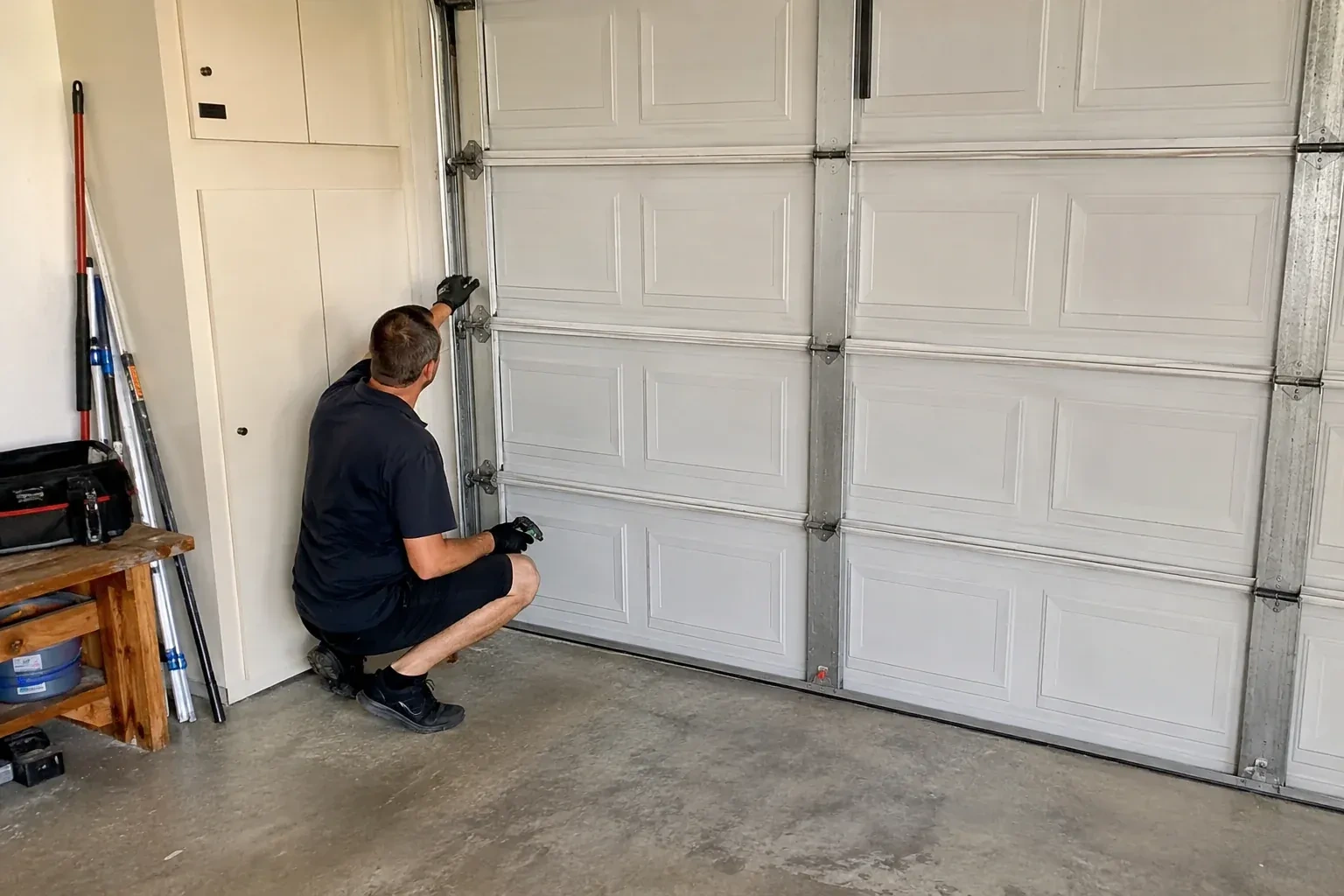
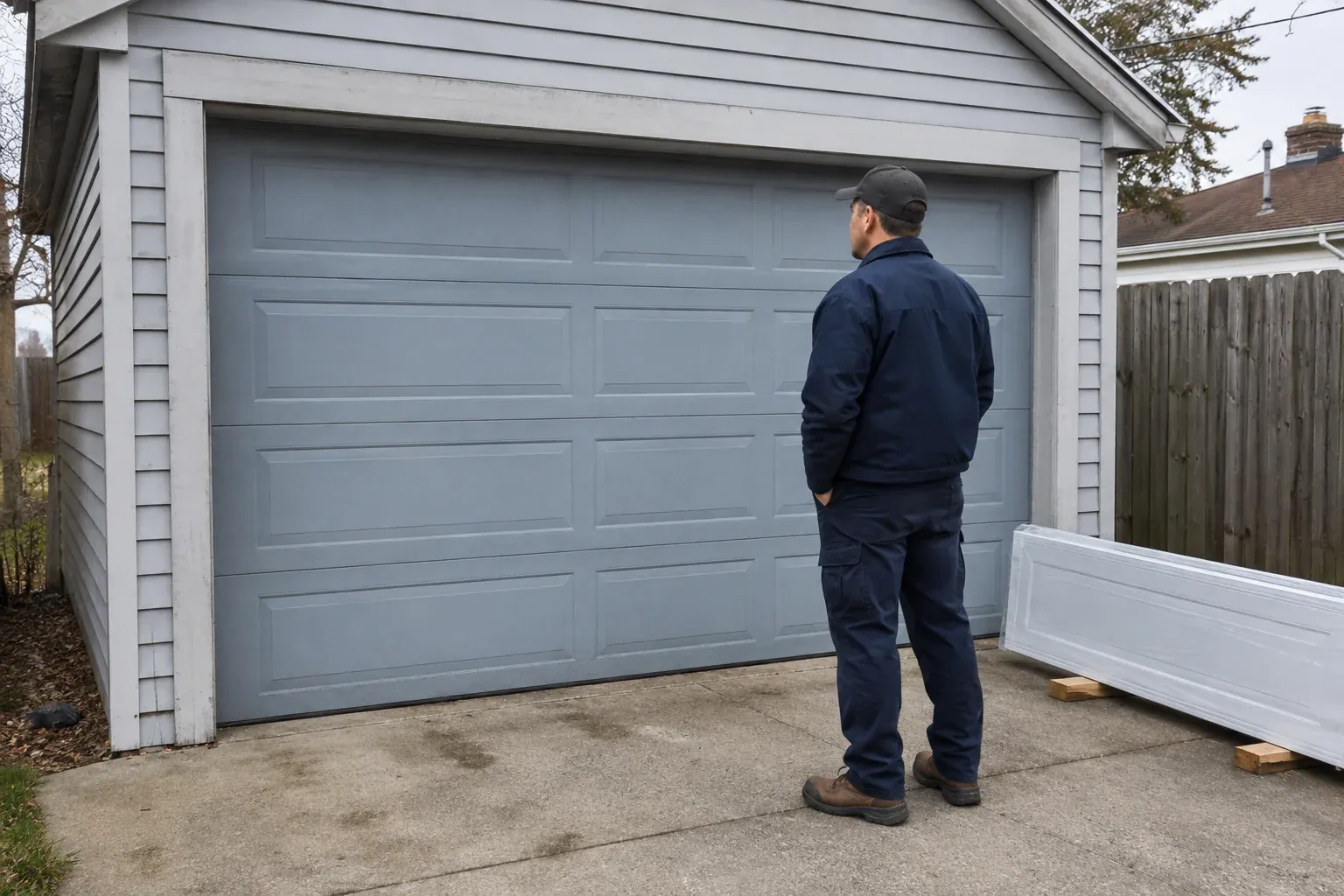
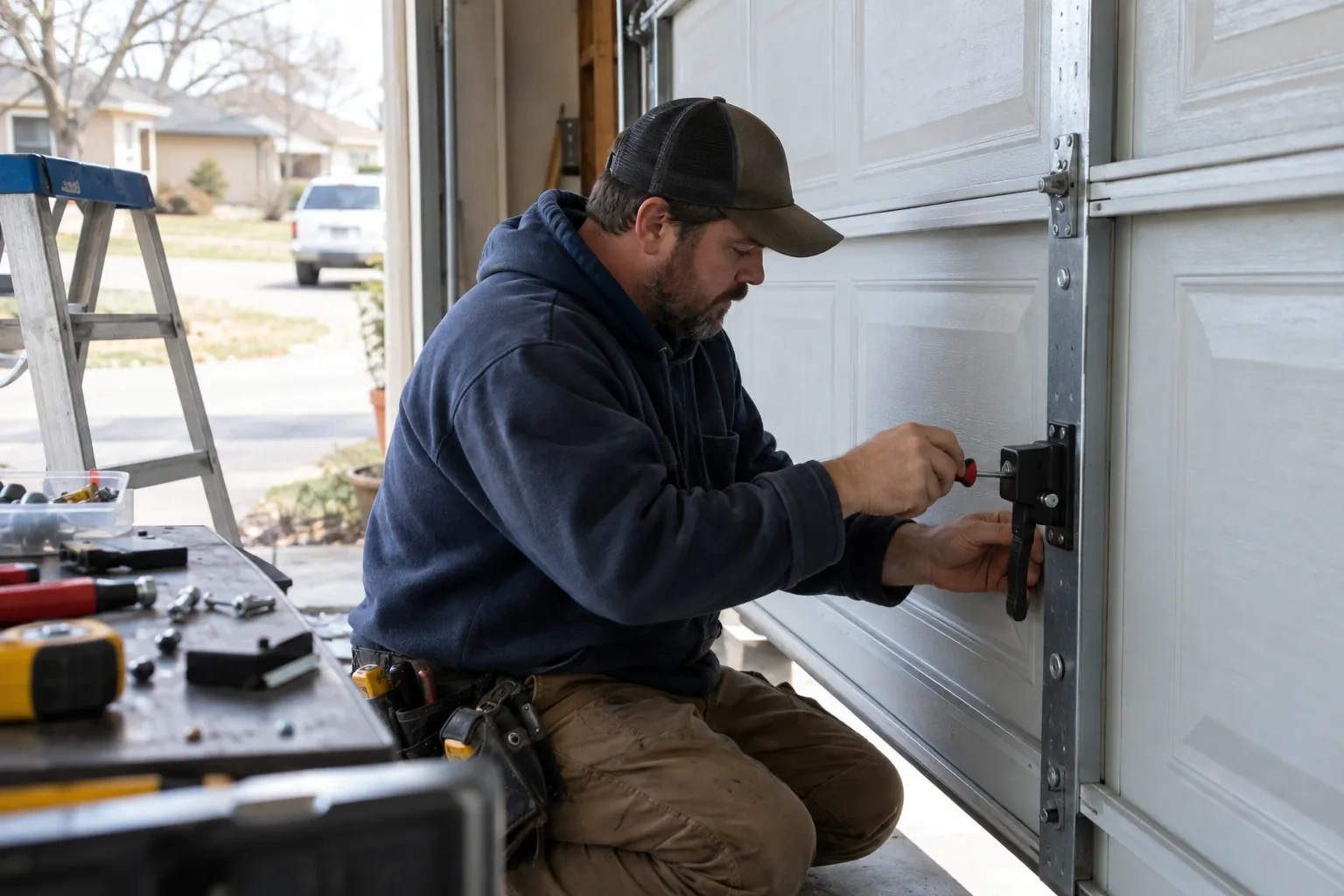
We lay down drop sheets, keep tools in one place, and sweep up shavings and old hardware before leaving. Your car goes back in its spot when we are done, and the only sign we were there is a door that runs properly.
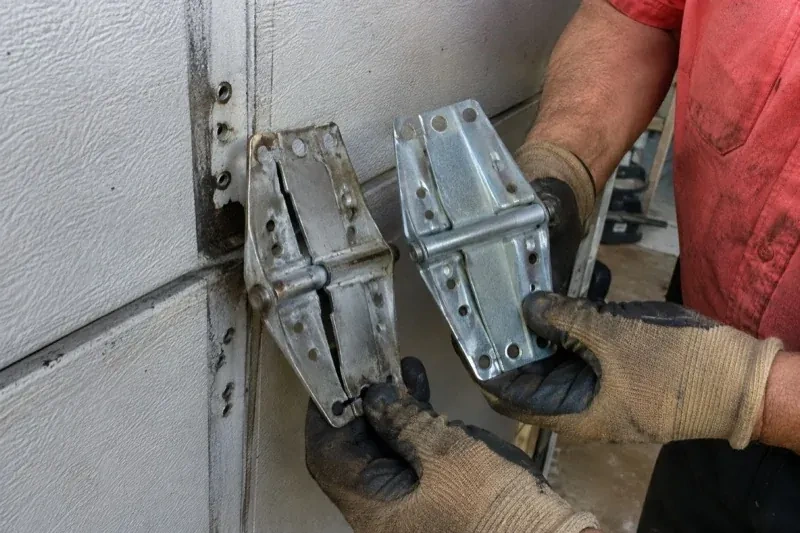
Noise is usually the first complaint and the easiest to trace. Steel rollers rumbling, hinges squeaking, a chain slapping the rail, panels rattling against loose hardware. We go through the door from top to bottom, tighten and lubricate what needs it, and replace the rollers or hinges that have simply worn out. Most doors go quiet again.
Questions welcome. Ask why a spring broke, what a roller does, whether the opener is worth keeping. Clear answers are part of the service.
Leaving it as we found it. Vehicles moved back, packaging removed, floor cleaned. The only change you notice is a door that runs properly.
Decisions made with the facts. We show you the wear, describe the choices and their consequences, and support whichever route you pick.
Open 24/7, same fees any hour. Tell us what happened
14 years in business · Send a few details about your door: (289) 536-9773
Garage door spring replacement
Garage door services
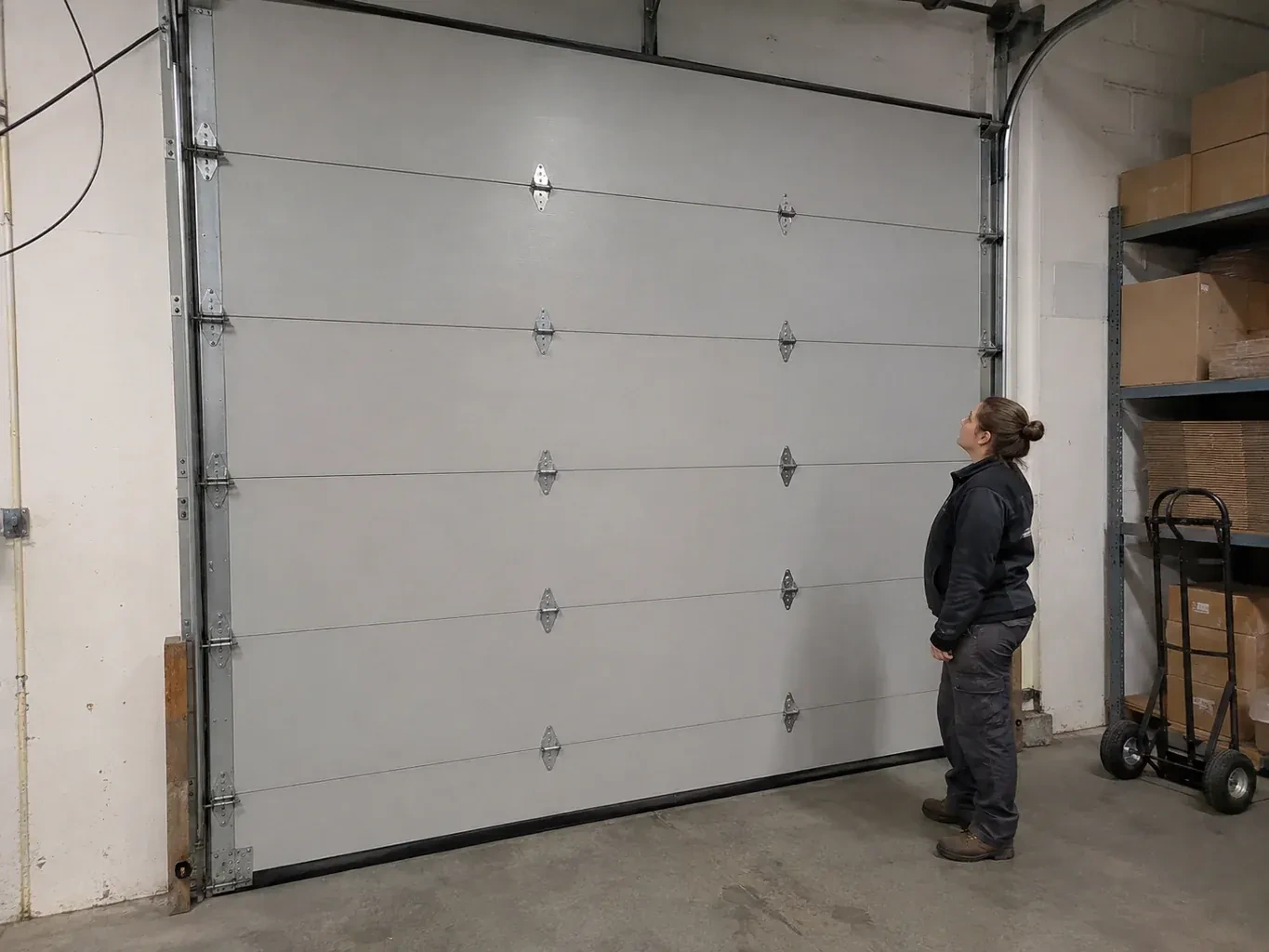
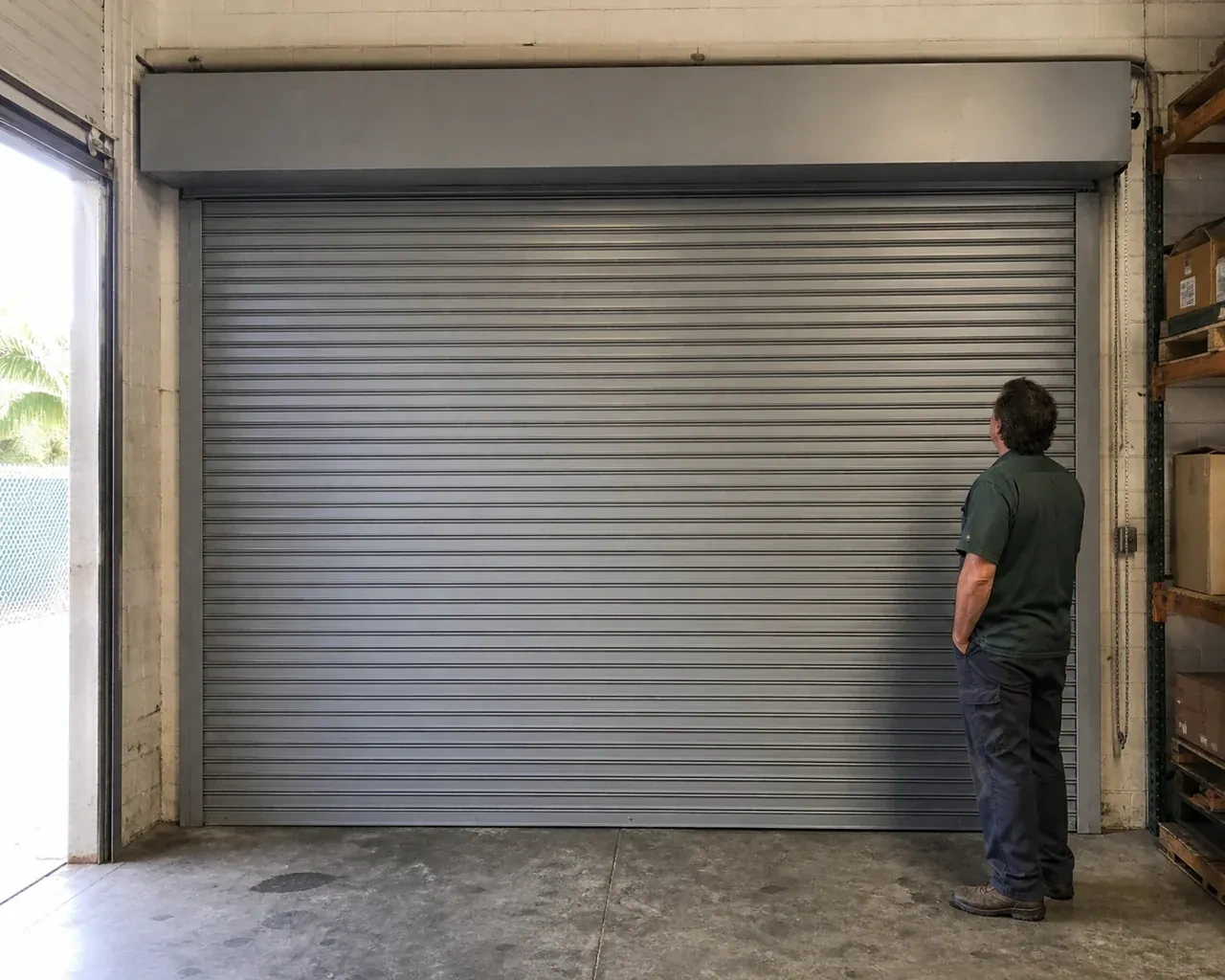
Business doors have their own needs: heavier hardware, more cycles per day, loading bays that have to stay tight against the weather. Alongside our residential work, we look after sectional and rolling doors for shops, garages and warehouses.
Springs & HardwareOlder homes often carry extension springs stretched along the tracks; newer ones use a torsion bar above the…
Springs & Hardware
Older homes often carry extension springs stretched along the tracks; newer ones use a torsion bar above the…
The largest moving part of your home. Worth a closer look.
A garage door belongs to the architecture. Its movement belongs to your everyday life. We bring both into the conversation.
Job sheet1 of 3
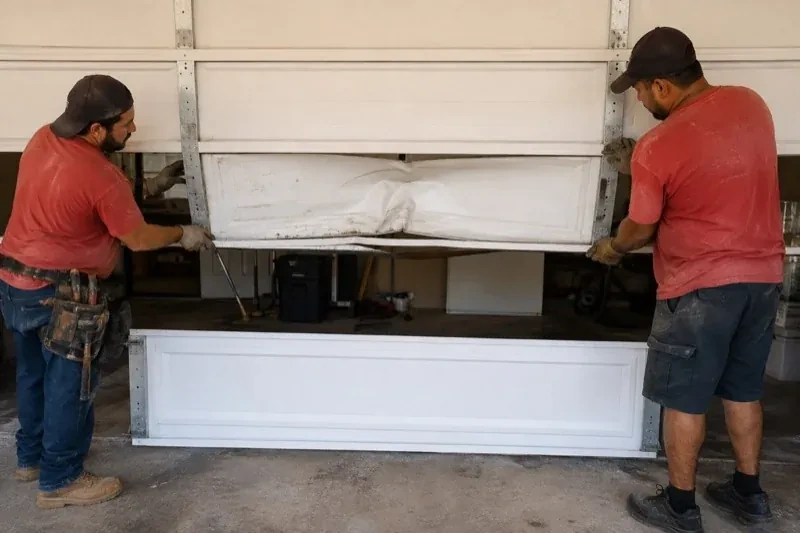
Garage Door Panel Replacement
The call
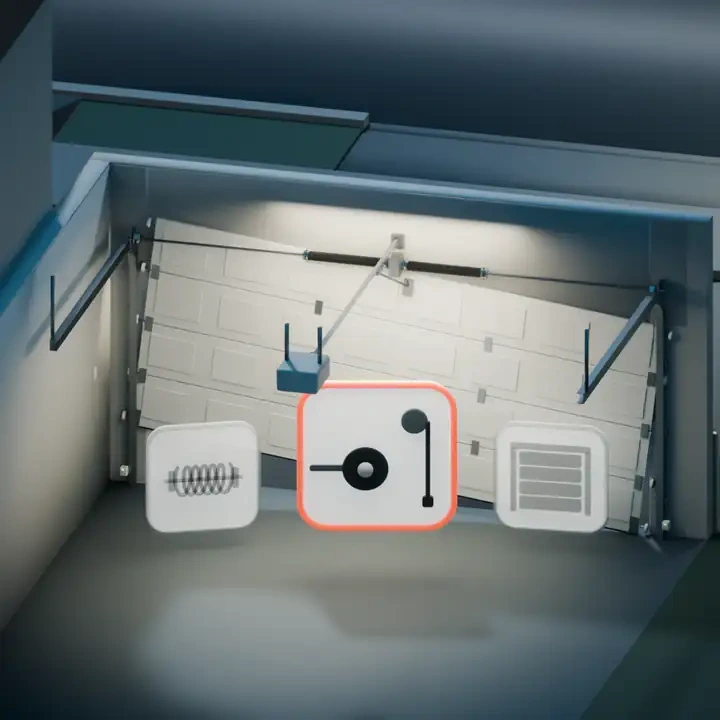
After an overnight freeze the door stuck to the slab, the opener strained, and something gave. The bottom section is bowed inward, one hinge has torn free of its screws, and the rubber seal along the bottom no longer sits flat.
The motor runs, the chain rattles along the rail, and the door does not move a millimetre. You notice the little carriage sliding back and forth on its own.
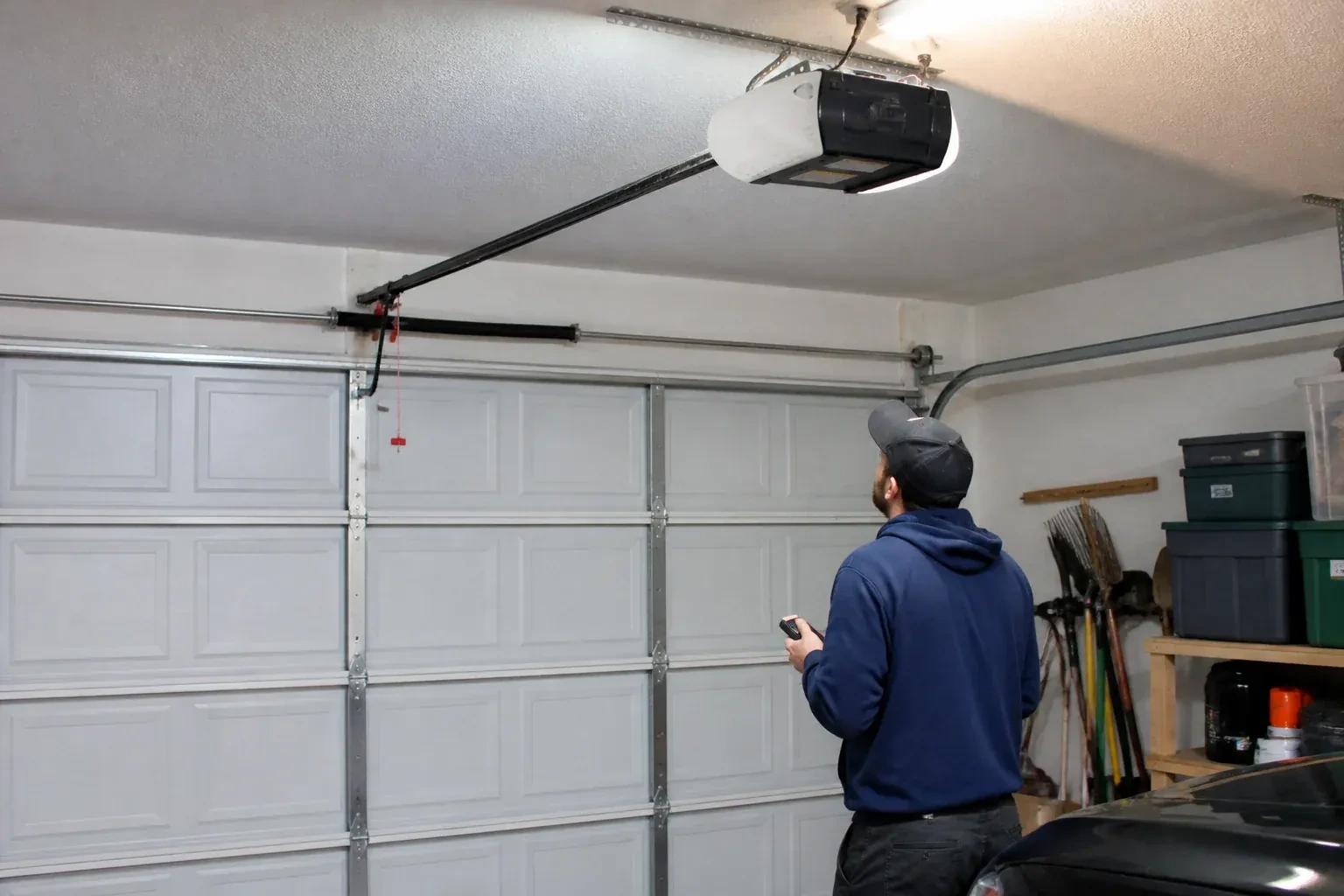
The door is the one the builder installed and has never had a part changed. It works, but it clatters, the wheels are hard white plastic with no bearings in them, and the opener sounds like it is labouring more each season.
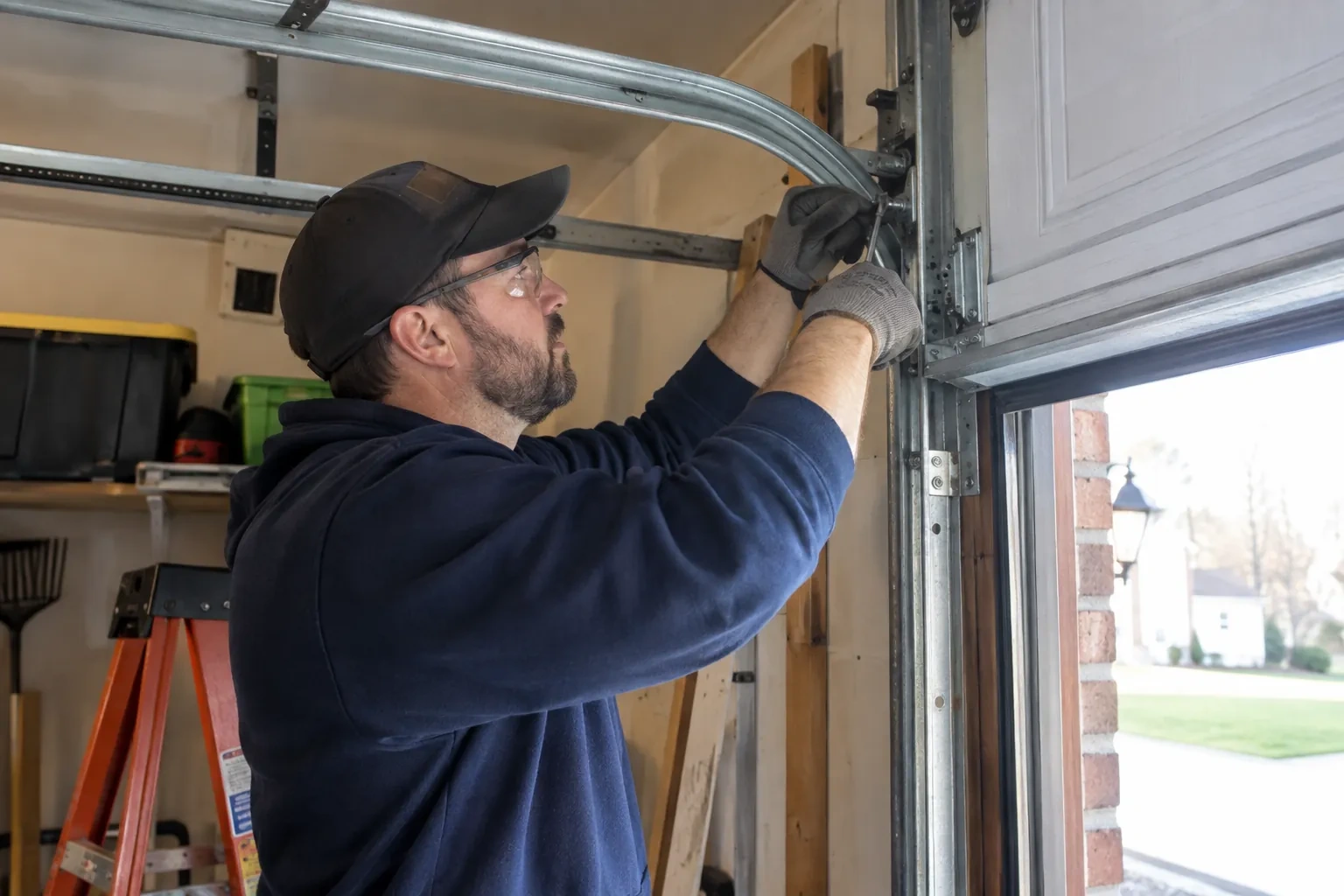
Older homes often carry extension springs stretched along the tracks; newer ones use a torsion bar above the door. We work on both, and we can convert one to the other when it makes sense.
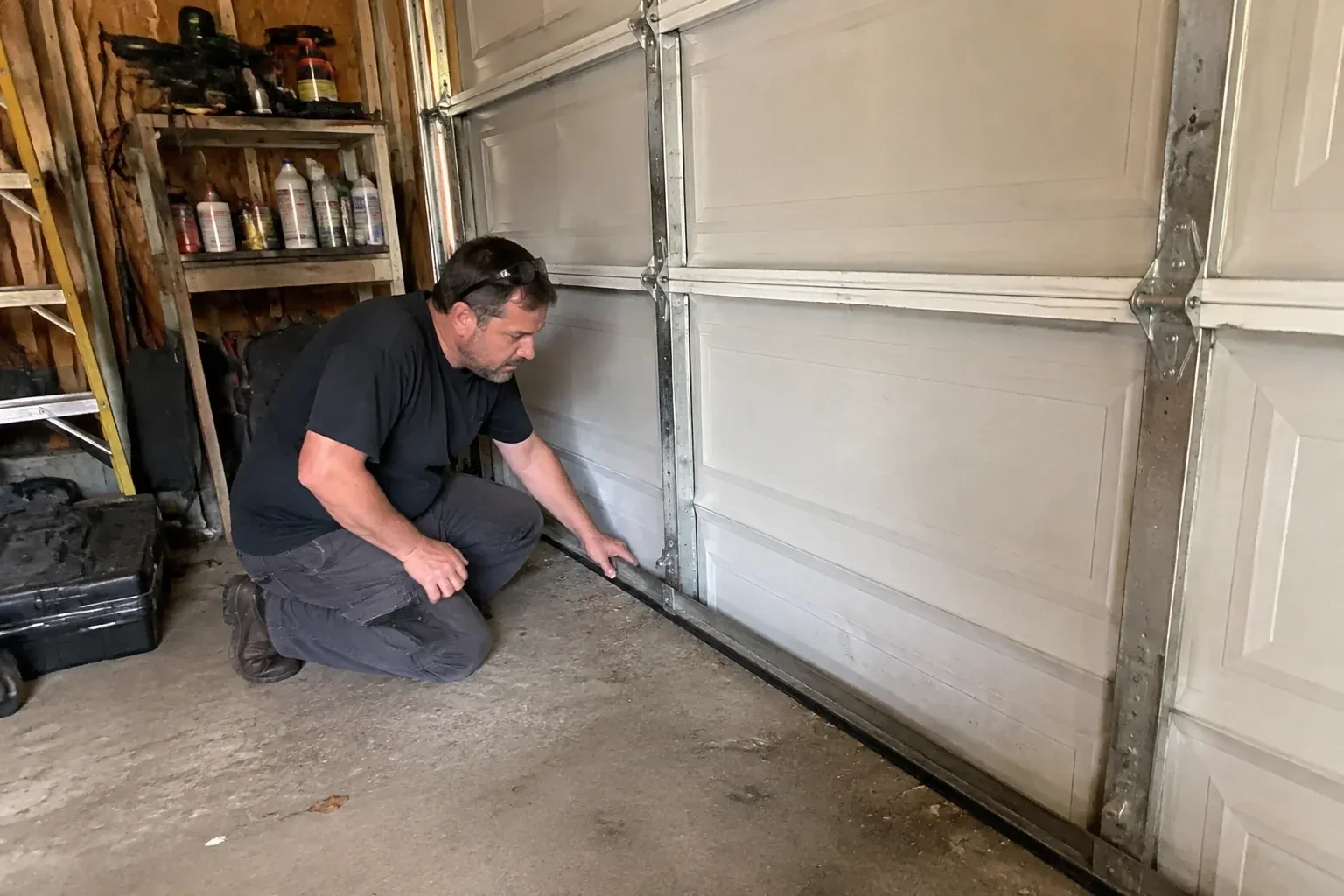
Rust has crept along the bottom edge of the lowest section. What began as bubbling paint is now a soft, flaking strip, the seal retainer is working loose, and a screwdriver pressed against the worst spot goes through the steel.
Nothing broke outright, but the door has grown heavier each winter, opens more slowly and squeals as it moves. The springs on an older door have lost tension and the coils show pitting, so the system is asking for attention before it fails.
The car bumper kissed the door on the way in. The bottom panel has a dent, the bracket in that corner sits crooked, and the cable on that side has jumped and gone slack, so the door reverses every time it tries to close.
Since the cold snap the door has been stiff and noisy first thing, and after the last thaw the bottom corner began to judder. There is slush in the foot of the track and a bloom of rust on the lowest wheel.
It is a January morning and the door lifts about a hand's width, groans, and settles back down. When you pull the release and try by hand the door feels far heavier than it used to, and the bottom seal is stuck hard to the slab.
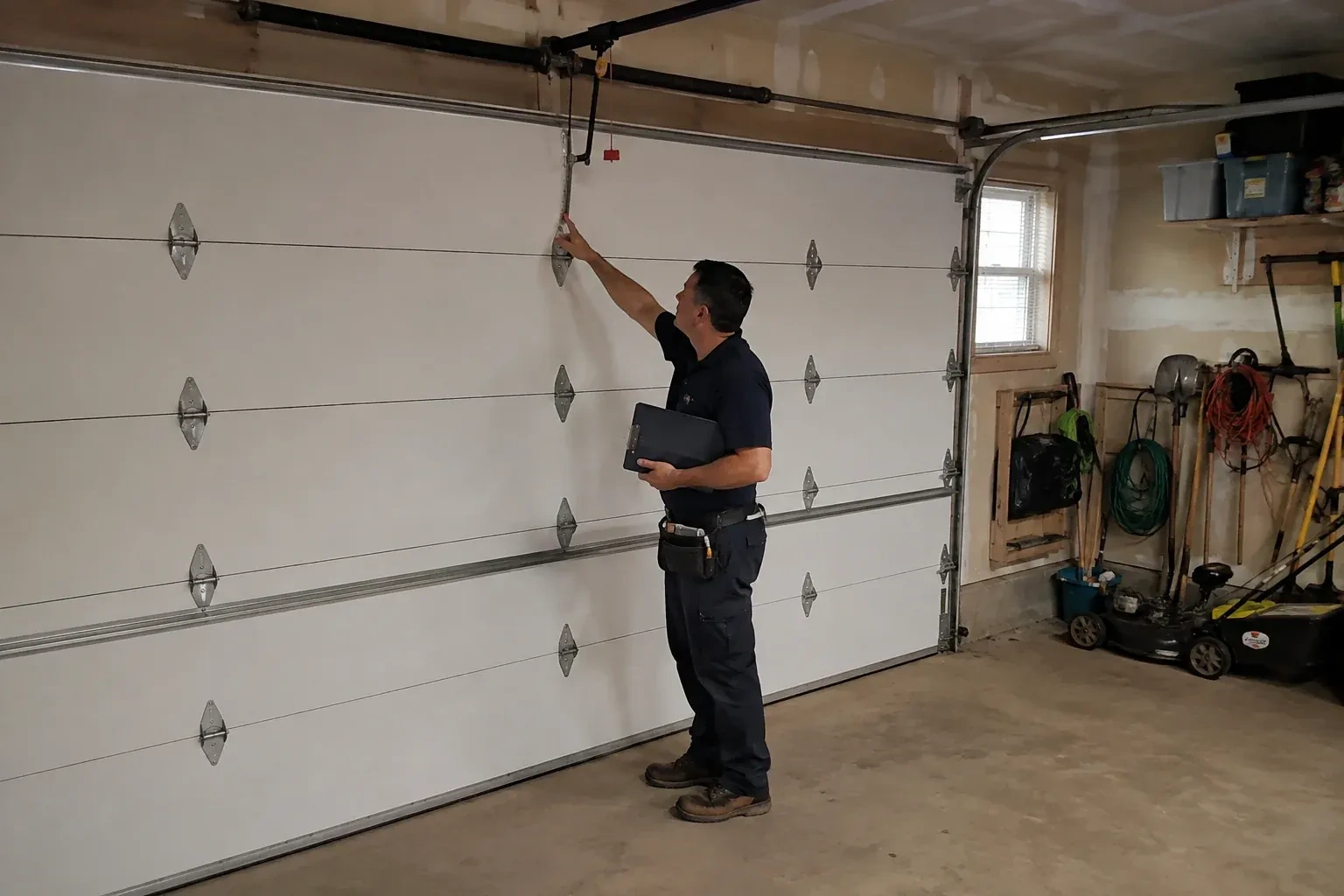
Garage Door Safety Inspection. It has been a hard winter.
Sectional doors, carriage-house styles, full-view glass and insulated steel all sit in this group, along with the conversions and hardware upgrades that change how a door performs.
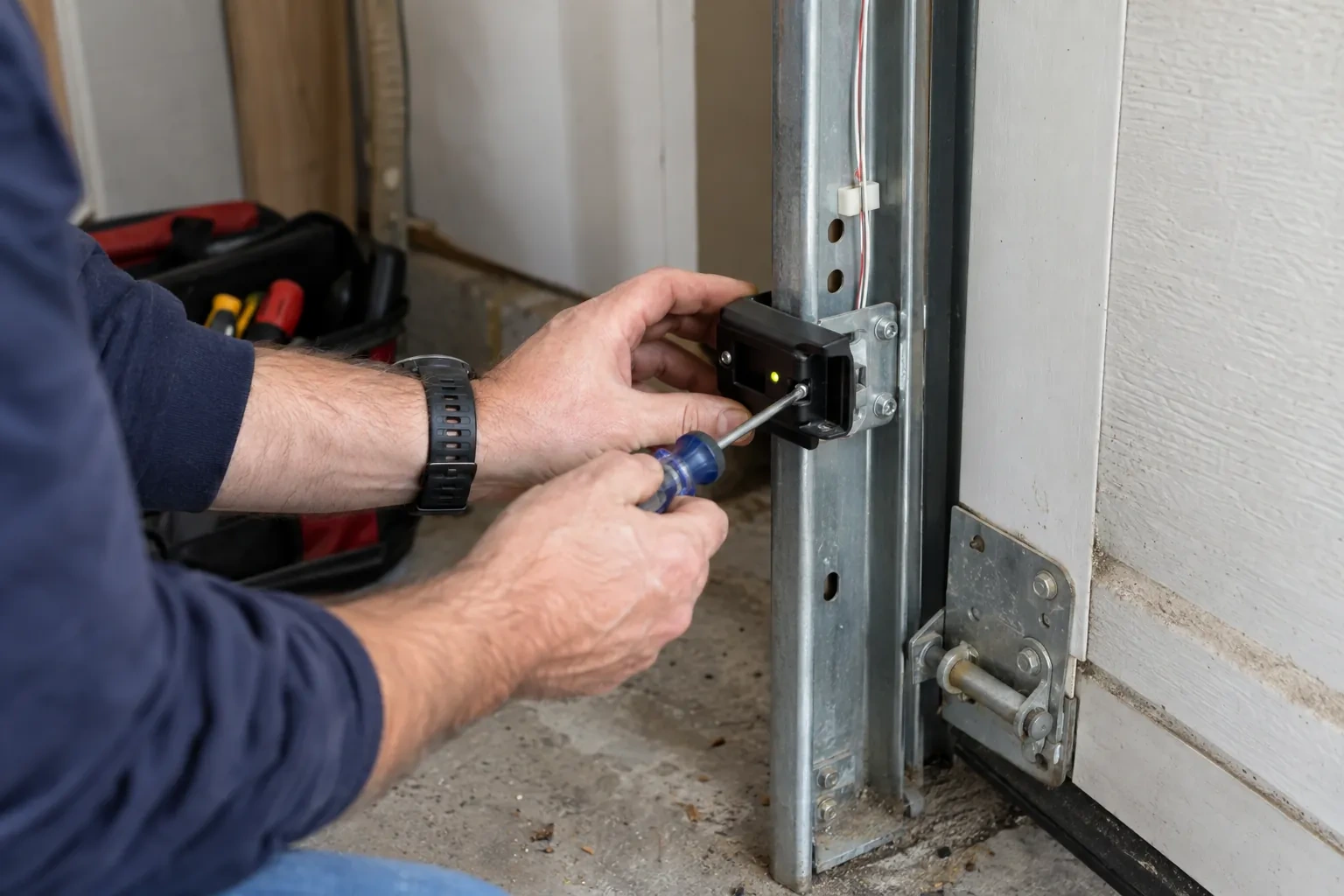
Noise is usually the first complaint and the easiest to trace. Steel rollers rumbling, hinges squeaking, a chain slapping the rail, panels rattling against loose hardware.
Scene 1 of 5
Call and describe the door
On our way
Questions welcome
Leaving it as we found it
Decisions made with the facts
Step 1 of 5
Call and describe the door
Describe the property, the hardware and what has changed, and the visit starts from what you have seen.
Step 2 of 5
On our way
Tell us about the problem, the door and a good time to come. We confirm what to expect and roughly how the visit will go.
Step 3 of 5
Questions welcome
Ask why a spring broke, what a roller does, whether the opener is worth keeping. Clear answers are part of the service.
Step 4 of 5
Leaving it as we found it
Vehicles moved back, packaging removed, floor cleaned. The only change you notice is a door that runs properly.
Step 5 of 5
Decisions made with the facts
We show you the wear, describe the choices and their consequences, and support whichever route you pick.
About 58% of homes in Toronto were built in 1980 or earlier, according to the 2021 Census.Where houses are older, the garage often sits beside the house rather than beneath a bedroom, so noise is a smaller concern and durability a larger one. Heavy-duty rollers, a properly sized torsion spring and cold-rated lubricant make an old door dependable for years.
Single-detached houses make up about 23% of homes in Toronto (2021 Census).Apartment and condo buildings often have a single heavy door protecting the whole parking level, and when it stops, everyone is affected. We prioritise these calls, carry commercial operator parts, and set up a maintenance interval matched to the number of cycles the door sees each day.
Armour Heights Door Specialists(289) 536-9773 · open 24/7
What photos help when I call?
A picture of the full spring assembly above the door, showing the centre bracket, both drums and how many springs there are, tells the technician a great deal. Add a close shot of the broken spring gap and any tag or colour marking on the cones, a photo of the cables at the bottom brackets, and one of the opener. These help confirm the door's configuration so the right springs and hardware are on the truck.
Do I need to be home for the visit?
It helps to have someone present to open the garage, point out anything you noticed and hear how the door should feel afterwards. The technician needs power at the opener outlet, clear space under the shaft for a ladder, and access to both sides of the door. If a vehicle is inside, it stays until the door is working. Being there also lets you approve any extra items, such as bearings or cables, as they come up.
Can extension springs be converted to a torsion system?
In many garages, yes. A conversion adds a shaft, centre and end bearings, drums and torsion springs above the opening and removes the extension springs and pulleys from beside the tracks. It needs enough headroom above the door for the shaft and solid framing for the centre bracket. The technician measures the space and the door before recommending it, and the result is smoother, more even lifting with hardware kept clear of the sides.
Can a spring be adjusted rather than replaced?
A spring that is intact but has relaxed slightly can be given a little more tension, within limits, to restore balance; this is a normal adjustment on a door that has settled. A spring with a broken coil is replaced as a unit, since the wire has reached the end of its life. The technician checks the condition of the steel and recommends whichever restores a balanced, safe door.